Tuesday, November 16, 2010

Lighting

Objective: to learn the film language used to describe lighting techniques and effects, analyse lighting techniques and their effects, using correct terminology

Outcomes
All: will be able to describe one style of lighting technique(E)
Most: will be able to identify 2-3 lighting styles and explain the purpose it has (C)
Some: will be able to identify the lighting style and will also be able to use media language effectively to describe the purpose it has (A)

Lighting
lighting helps to convey mood and atmosphere in a scene, it can also be used to guide the audiences attention to a particular object, person or gesture. lighting can also be used to cast shadows and build tension and suspense in a scene.

Key Lighting: is usually the brightest light and most influential.


Back lighting: helps to counter act the effect of the key light, making the character/object look more rounded


Filler light: helps to soften the harsh shadows that the other lights create, there maybe more than one filler light


Angles of lighting


Under Lighting- Is when the main source of light comes from below the subject. this tends to have a distorting effect on the characters or object that is being lit and is often used in Horror Films.


Top Lighting- is when the main source of lighting comes from above, highlight the features of a character- it can be used to create a glamours look in stars.


Types of Lighting


Low key: lighting is created by the use of back lights. this will produce a sharp contrast of light and dark areas on the screen and cause deep shadows to form, this effect is known as Chiaroscuro


High Key: is basically the opposite to Low Key, High Key lighting means that more filter lights are used. the term means lighting that appears more natural and realistic to our eyes. it can be used to describe lighting on brightly lit sets such as a recreated sunny day in the park, or to describe a more subtly-lit night time scene. although shadows will be produced to contrast is allot softer.


 HomeWork, Matrix Scene

In this scene we see low key lighting, back lighting and 3 point lighting
Low key lighting is used in this scene to create tension it makes everything seems dim and mysterious this makes the audience wonder what’s going on and makes them get more involved into the scene, back lighting is used when we have the 2 shot and we see Neo and Morpheus sitting down talking but they are silhouettes and the audience cannot see there features this creates suspense and shows us they are interacting lastly we see 3 point lighting used when Neo is presented with the choice of pills we see Morpheus’s  hands lit up this is what catches the audiences eyes and draw them to the pills also it helps get the audience involved in the scene and creates suspense. One other thing is the way we are presented with Neo and Morpheus, we can see Neo’s face clearly and his reactions/ facial expressions but Morpheus is slightly shaded showing he is a mysterious character in the situation this makes the audience feel as if Neo is the innocent person in the scene were as Morpheus is the negative darker side of the scene. Overall this scene has a dark and mysterious mood to it. These techniques are common to fantasy /sci-fi films because they help create suspense and tension also this also helps draw the audience into the narrative

Smart Shooting

Objective: To identify convectional shots to create a successful thriller films.

Generic Conventions for a thriller film
Tracking, Shadows, Handheld camera, Establishing shot, Costumes, Close ups, Haunted house, Tilt shot, Back lighting, Diegetic/Non diegetic music, Blood, Low key lighting, Wipe pan, Creaking Doors.

Halloween Resurrection part 1
- Handheld tracking-POV(point of view) making the audience feel involved
- Low key lighting, Diegetic sound used to create suspense.
-Close ups to show actors facial expressions
-Tracking following the character when shes getting chased
- Use of flashback, brings suspense to the audience, Point of view also used in chase scene puts the audience in the victims shoes, the camera also flicks back and forth behind the victim to bring tension to the audience
Location- Asylum, Uncomfortable location, unpredictable building suspense- slow movement, then the music increases tempo and becomes louder, this also creates tension and emphasises the thrill involved in the chase.


This film allowed my group to get a better understanding of a thriller film and to understand its conventions, In the opening scene of Halloween Resurrection there was a part that appealed to me and that was when
Laurie Strode ( Jamie Lee Curtis ) looks out of her window after the nurse has told her intern about the patients past involving in a murder they say to each other it was a load of make believe stories then as they walk out of the patients room you see the killer in his mask looking right at the window as if he heard what they were saying, i think this was conventional and suspense building as it sends a message right to the crowd that he is a murderer and has returned to see the patient Laurie Strode ( Jamie Lee Curtis ). Also these conventions were essential to my planning and I would like to use a murderer as one of my chacaters as i think that this would help to appeal to my target audience and also help to show the conventions of a thriller film.

Narrative Theory- Propps Theory

Lesson Objective- To be able to show an understanding of what narrative theory is.

Lesson Aims-
All will be able to describe the different points of the theory(E)
Most will be able to explain the different theories with appropriate examples(C)
Some will be able to use media language effectively to discuss the purpose of narrative theory with a variety of examples(A)

Narrative Convection's

-series of codes and convection that need to be considered
- Genre
-Characters
-Form
-Time

Vladimir Propp was a Russian critic that published his morphology of the Folk Tail in 1928 Characters according to Propp,  they have a narrative function that they provide a structure for the text.

Characters that perform a function.

The Hero- a character that seeks something.
The Villain- who opposes or actively blocks the hero's quest.
The Donor- who provides an object with magical properties
The Dispatches- who sends the hero on his/her quest Via a message.
 The False Hero- Who disrupts the hero's success by making false claims.
The Helper- who aides the hero in his quest.
The Princess- Acts as the reward for the hero and object of the villains Plots
He's Father- who acts to reward the Her for His efforts


Actions and Functions of the narrative.

Preparation
- a Community/Kingdom/Family is in an ordered state of being a member of the Community/Kingdom/Family leaves home a warning us given to the leaders if the community or a rule is imposed on the hero the warning is discounted the rule is broken the villain attempts to discover something about the victim of the broken rule, the villain tries to deceive the victim to gain advantage, the victim unwillingly helps the villain.


Film Credits

Objective: to be able to identify the purpose of credits within a thriller film.

What the purpose of film credits:

- Gives away clues towards the Genre of film through the text and font.
- Introduces the cast
- shows us the title of the film
-introduces the directors of the films (Producers)
- introduces the production companies

http://www.youtube.com/watch?v=qOPTcJEfKQI
Credits can tell the audience allot about the film by the use of colour, font of credits, and style of editing for example in SAW 5 we see the font all metal looking with blood stains down the wall in the background this hints this is a horror genre of film also it tells the audience that the film involves blood, the production company called Twisted Pictures, were the words are trapped inside barbed wire, then a metal nail comes down and tightens it around the words like a torture device this also shows the film is going to contain torture and violence, also the DVD cover and the posters contain a head on a scale this alone tell the audience this film will have something that links this image to the film.


In Seven the opening credits also helped understand the genre of film, you can understand what i mean if you watch this clip http://www.youtube.com/watch?v=SEZK7mJoPLY, in the clip you first thing you see is Bold white writing that looks like it has been scratched into wood, This gives the font a synister look the next thing you see is a man slicing off his finger tips this is disturbing and makes you think about the genre of film in away it hints it too you also it tells us in the title of the film that this film has some kind of reference to the number seven we then find out later on in the film they have seven days to find the murderer which proves that the title does reflect along with the credits on the film, lastly music used in the opening scene can tell the audience the type of mood the film will be set in, in seven the music throughout the credits was a calm relaxing sound then it changed to a tension building sound, with a rocky beat this brought tension through all the credits and set the mood for the following scene

I will use a red coloured font in my production, to show to the audience they are watching a thriller film, also i will have the font looking all gagged and sharp looking, this sets the mood for the film and puts images of knifes and blood into the viewers minds.

Examples of Font i might use

Opening Sequences

Objective: To be able to identify the generic conventions of an opening sequence within a film in particular a thriller film.

Generic Conventions of a Thriller:
Low key lighting
Sound
Straight cut
Characters
Opening Credits
Establishing
Lighting


Sex and the City

The narrative is romance, the characters we are introduced to are 4 women looking for love, the location we are shown too is  New York City, This started as a programme so in the beginning it showed us a bit about the characters and their history, most of the opening scene told us about the characters looking for love in the city also the title tells us that the main thing about this film is sex revolving in the city. Also these opening scenes tell us this film is aimed at a Woman audience we know this because the credits are sparkly and pink also very bright and glittery, this shows the audience this is a film appealing to girls and this represents the narrative.

Twilight

The narrative of this film is Fantasy/Adventure/Romance, the main characters we are introduced to are a girl called Bella and a boy which is actually a vampire called Edward, the location is a small village called Hawks which is surrounded by a forest we know this is going be a romance because we see her looking at Edward when she goes to school and asks the girls about him, we also know its a fantasy because at the begging  of the opening scene we see a POV (point of view) shot of something chasing a deer in the forest,we also know this films narrative is gunna be based around the girl because we are hearing her in a voice over telling us about her life which also informs the audience.

Editing

Objective:
All: will be able to explain the purpose of one editing style
Most: explain 2-5 different editing styles with examples
Some: 6 or more different styles using accurate media terms and example.

Here are some of the editing styles and what they mean.

Reaction- Any shot that shows a persons reaction, For example if someone was insulted the camera will show a persons reaction to that insult.

Invisible Editing- Used in most films to support the narrative and support what people see on screen.

Montage- Is the speed of editing, where shots are quickly juxtaposed together to create excitement. E.G. will look blurry sped up and unnatural, cannot make the images out.

Slow Editing- When clips are juxtaposed together at a slower pace and this is to create suspense show more information of location and narrative.

Straight Cut- An abrupt juncture occurs which has no significance to what is happening at the moment. can be very quick editing when allot of straight cuts are used. 

Fade Out- The screen fades to black and this is often used at ending for example at the ends of a episode on TV it fades to black.

Dissolve- One image slowly disappears showing another shot below it with no cutting.

Wipe Out Or Wipe Out- Where a main scene is pushed out of screen showing another scene below.

Jump Cut- When a film suddenly focused on something and goes from a long shot to a close up.

Linking of sections- Is where one section of a film is linked to another scene which has significance.

Linking Shots- Is where a number of shots are linked together to add emotional impact.

Timing Shots- In the editing stage some shot are either edited slower or quicker to add emotional impact or to create suspense.

Kuleshov Effect- Two random images put together to show some kind of narrative. we as an audience put together.

180 Degree Rule- Must keep the same left/right symmetry so if the camera is placed on the left on a conversation it stays on the left side

Shot Reverse Shot- This is used mostly to show a conversation when someone is talking to another person and they are replying back.

Graphic Matching- is when one shot goes into the next shot with a similar shape for example a person blows out a candle then the camera zooms into the smoke and zooms out at a train with smoke comming out.

if you need an example of any of these Techniques they can be found on this website.http://www.youtube.com/watch?v=s_Sp59lQD7Q or watch this video for a reminder.

Thursday, November 11, 2010

Film Censorship

Film Censorship

Learning objective: To understand the purpose of film certification and to apply your understanding to your own thriller film.

Lesson Outcomes: Students will understand what a film certificate is and explain its purpose with detail and their own understanding.

Film Certification

Universal Children Suitable for all, but especially suitable for young children to watch on their own

An example of a Uc film is UP, this is a Uc film as it contains no violence and does not require parents to watch the film.


Parental Guidance General viewing, but some scenes may be unsuitable for young children
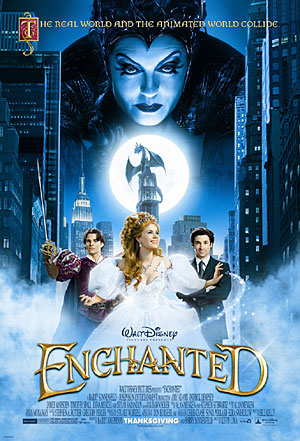
 An Example of a PG film is Enchanted this is a PG, because it does not contain any violence or disturbing scenes.


Suitable for those aged 12 and older (for example mild nudity or bad language) an example of a 12 rated film is Angels & Demons as it contain some mild violence and scenes involving blood, this is also considered as a 12a which means a parent might need to be present when watchign this film.


       Suitable for those aged 15 and older(slightly more violence/bad language may also contain blood) an example of a 15 rated film is 28 Days Later as it contain bloody scenes, scene that contain violence and bad language.


Suitable for those aged 18 and older (may contain strong nudity, blood and gore also bad language). An example of a 18 rated film is SAW because it contain exstream violence and gore also bad language. 


       These film certificates are given to films by a company called BBFC, which stands for British Board of Films, this company double checks films to see if they are in the right category suitable for the British public they also do this to protect certain age groups from violence. if you wish to know more about what they do you can visit there site http://www.sbbfc.co.uk/ all information can be found on here if you do not understand the information above